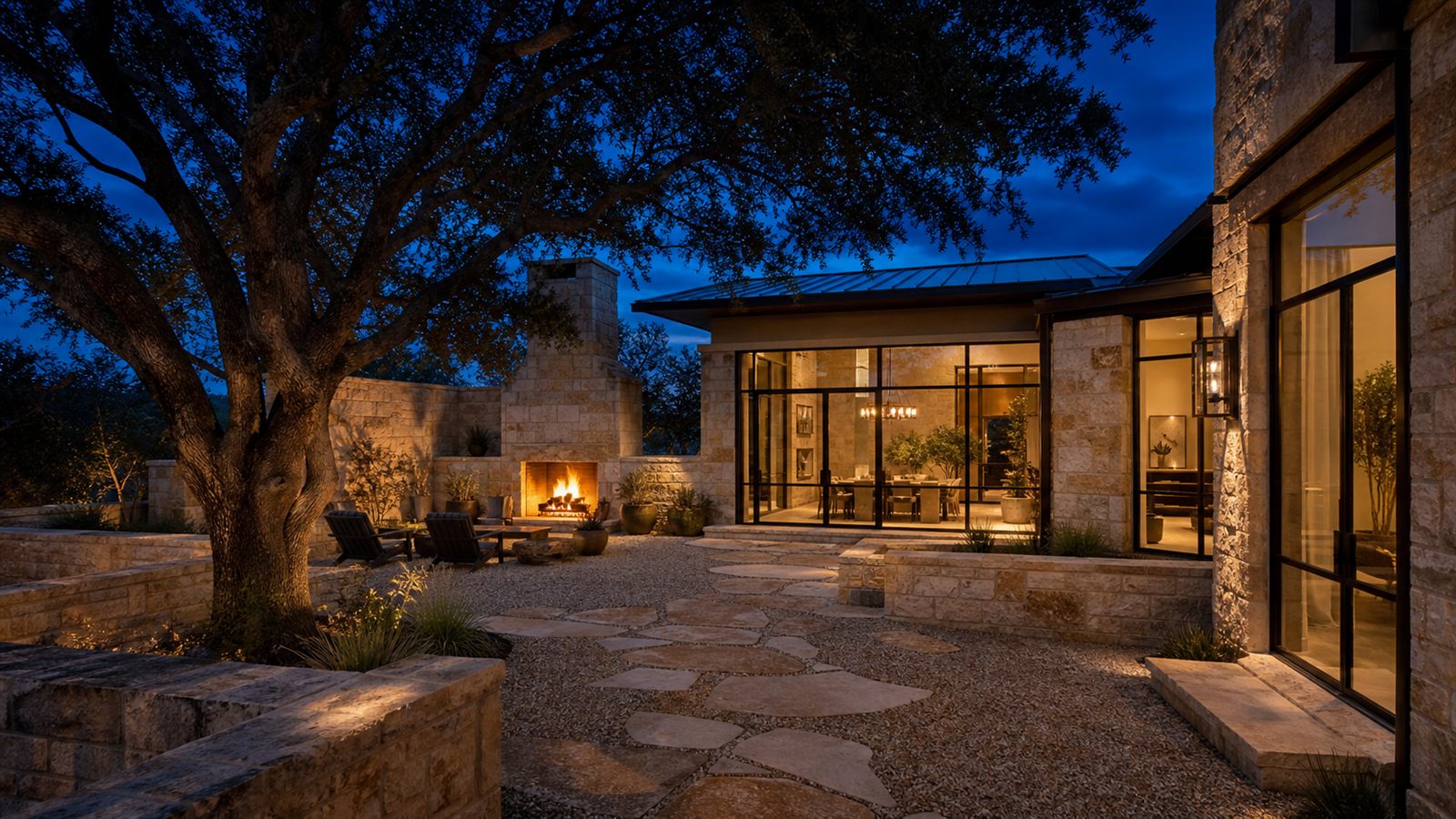
The Hill Country Land Buying Checklist
What to check before you buy, from a builder who walks parcels with clients before they close.
Author: Vanessa Harris, Owner of Riverbend Hill Country Homes · Updated October 23, 2026
What Should I Check Before Buying Land in the Hill Country?
Check six things before you buy Hill Country land: where water comes from, where wastewater goes, what the rock will cost, whether access and utilities reach the build site, what floodplain and slope rules apply, and who reviews your plans. Two lots that look identical from the road can carry very different site costs for the same house.
- Water: confirm the available supply, connection requirements, and capacity in writing.
- Wastewater: confirm sewer availability or where a septic system can go and who permits it.
- Rock: how close limestone sits to the surface where the house would go.
- Access and utilities: how far power, water, and the driveway must travel.
- Floodplain and slope: which rules apply to the build site.
- Plan review: which county, city, or community committee approves your plans.
The good news: all of it can be investigated before closing, much of it in an afternoon, with an allowance left for what only construction reveals.
Walk the list yourself, then walk the parcel with a builder before you sign. We do that walk at no charge, and you keep the answers either way.
Does Hill Country Land Need a Well and Septic System?
Often, yes. Where city services do not reach, a Hill Country home runs on a private well or a water-supply corporation connection, and on a septic system designed for its parcel and permitted by the county. A Hill Country address settles neither question, and some communities here prohibit new wells outright, so the answer belongs in writing.
Wastewater has to be planned early, because the septic design shapes where the house can sit. Septic systems are designed for your specific parcel and permitted by the county: in Travis County, submissions must identify wells, waterways, easements, floodplain, and slopes of 15 percent or more, and the clock stops every time the county sends comments back, until you answer them.
Neither answer should put you off a parcel. Both should be priced in before you make an offer.
Sources: Travis County septic permits (OSSF)
How Do Rock and Slope Affect a Hill Country Lot?
Rock and slope both change what a lot costs to build on. The Edwards Plateau is limestone country, with mapped soils that run shallow to bedrock or to cemented caliche (a hard, lime-cemented layer), and that geology shapes excavation, foundations, driveways, and trenching. It varies parcel by parcel, so a regional estimate cannot replace an assessment of your parcel.
Slope brings its own rulebook. Travis County lists disturbance on slopes steeper than 10 percent, or cut or fill greater than four feet outside the building or driveway footprint, among the conditions that can trigger a fuller stormwater plan review. Check whether LCRA requirements also apply to your parcel and proposed work.
And this is karst terrain: the same limestone that makes the views also makes caves and springs, and significant features discovered on a parcel can bring environmental review. Ask about it before you buy, not after. Our guide to what rocky Hill Country lots cost to build on goes deeper.
Sources: USDA soil survey of the Edwards Plateau · Travis County stormwater requirements · Texas Water Development Board on Edwards Plateau karst
What Permits Do I Need to Build in Hays or Travis County?
In unincorporated Hays County you need a development permit for land modification, including houses and grading; it is valid for one year to begin construction, and covered new construction needs at least three third-party inspections. In Travis County, septic permits and stormwater rules apply. Cities and community architectural committees can add rules of their own.
Measure the practical distances: how far power and any available water must travel to the build site, and how much driveway you will build and maintain. On acreage these are real budget lines: walking the parcel shows you the distances and the access, and records and utility providers confirm the rest.
Then read the paper: easements, deed restrictions, community design review, and which office permits you. We cover the local rules town by town for Dripping Springs and Wimberley in Hays County, Bee Cave and Lakeway in Travis County, and Spicewood, which spans Travis and Burnet counties.
Most of this is a phone call and an afternoon at the county. Do it before the offer, not after.
Sources: Hays County development FAQs
Should I Buy Land Before Choosing a Builder?
Choose the builder first if you can, or at least walk the parcel with one before you close. Use the checklist to guide the property walk and follow-up research. An hour on the ground with a builder reads the rock, the fall of the land, the access, and the buildable area against the home you want, and turns a listing into a working budget range.
We do that walk with prospective clients before they close, at no charge, so site conditions inform the working budget before purchase. It is the first stage of how we build a custom home.
Bring the listing. We will walk it with you and tell you what we think, including when we think you should pass.
Keep Planning
- Custom home building on your land: what happens after you buy
- What rocky lots cost to build on: how we price limestone before design
- How much it costs to build a house in Texas: construction cost per square foot by tier
- Where we build: the towns we work in, with their local rules
Land Buying Questions
What should I check before buying Hill Country land?
Six things decide most parcels: where water comes from, where wastewater goes, what the rock will cost you, whether access and utilities reach the build site, what floodplain and slope rules apply, and who reviews your plans. Each can be investigated before closing, and each is cheaper to learn before you own the answer.
Should I buy land before choosing a builder?
Involve the builder before you close if you can. Two beautiful parcels can carry very different building budgets, and the difference is usually invisible from the road. We walk parcels with prospective clients before purchase at no charge, and that hour is the cheapest insurance in this business.
Does a Hill Country lot need a well and septic?
Many do. Where city services do not reach, homes run on a private well or a water-supply corporation connection, and septic systems are designed for your specific parcel and permitted by the county. In Travis County, septic submissions must account for wells, waterways, floodplain, and slopes of 15 percent or more.
How does the rock affect what I should pay for land?
Shallow limestone and cemented caliche shape excavation and foundation costs, and no reliable region-wide premium exists, so the real number comes from the parcel. A lot priced like easy ground that builds like hard ground is not the bargain it appears.
What do counties require before I can build?
In unincorporated Hays County, a development permit is required for land modification, including houses, grading, and pools. The permit is valid for one year to begin construction, and covered new construction requires at least three third-party inspections. Rules differ by county and by city, which is why identifying who reviews your plans belongs early in the process.
Will you look at land I have not bought yet?
Yes, gladly. Bring the listing and we will walk the front-runner with you, read the ground, and give you a working budget range for what that parcel supports. You keep the answers whether or not you build with us.
More Guides
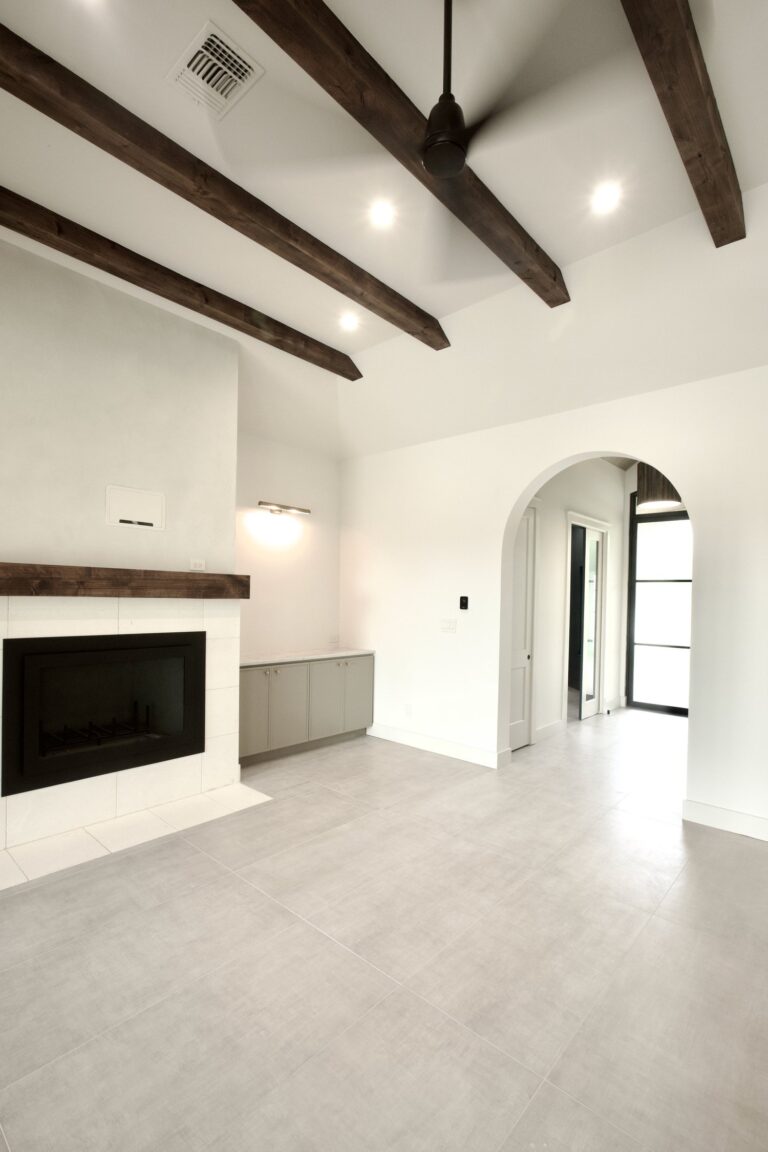 Design-Build vs. General Contractor
Read it →
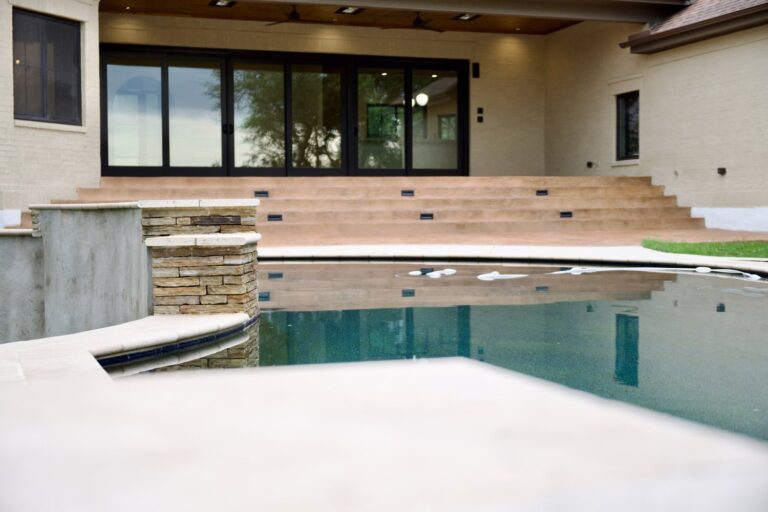 How Long It Takes to Build a Custom Home
Read it →
 How Much It Costs to Build a House in Texas
Read it →
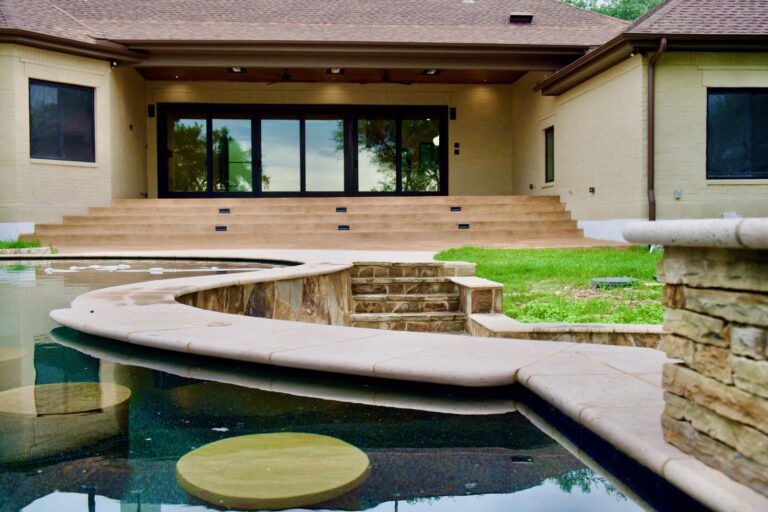 Is It Cheaper to Build or Buy a House?
Read it →
 Questions to Ask a Custom Home Builder
Read it →
 What Rocky Hill Country Lots Really Cost to Build On
Read it →
Get in Touch
Call us, or send the form and tell us what you are planning.
Vanessa answers this number, weekdays 9 to 5.