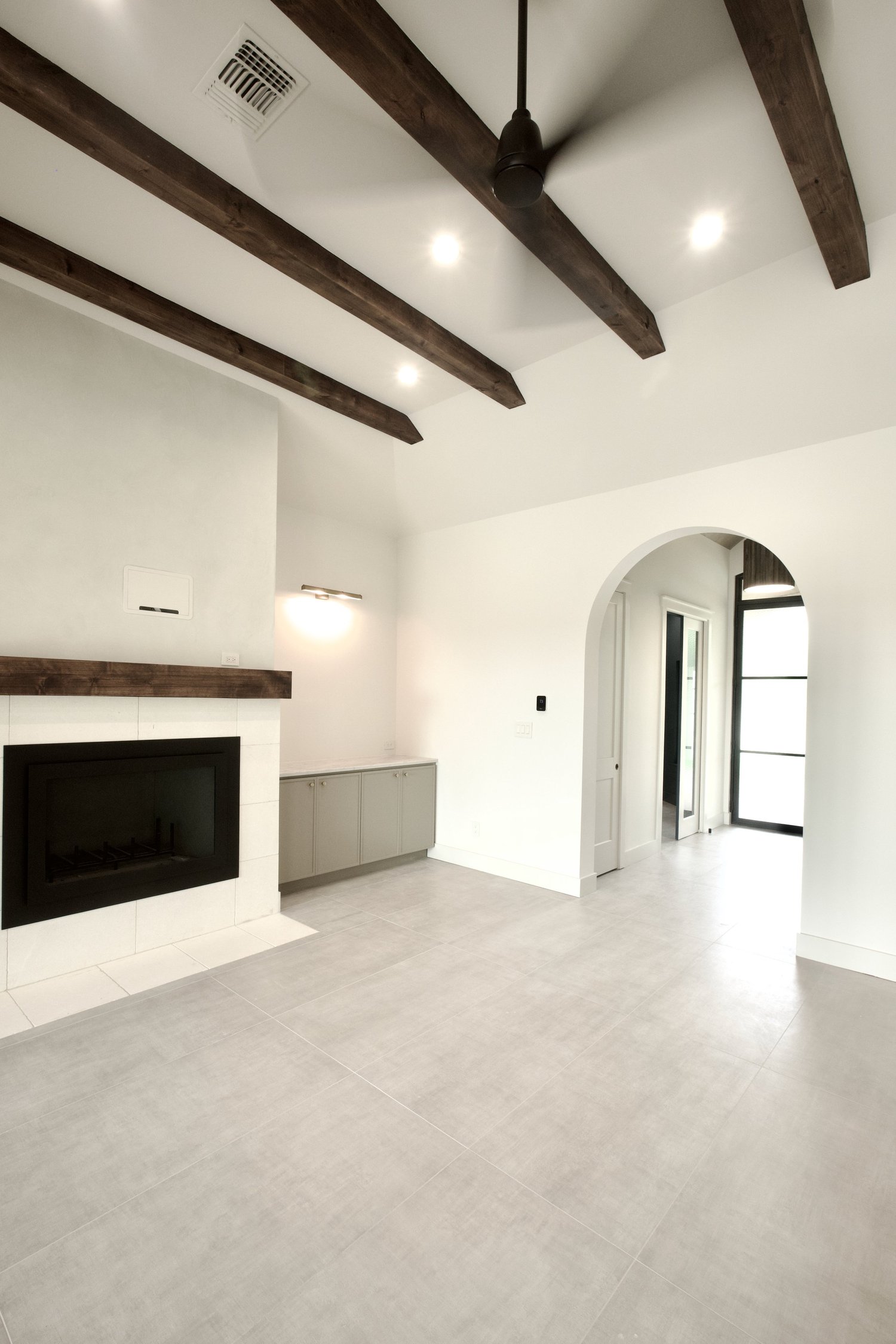
Design-Build vs. General Contractor
The two contract structures compared plainly, including when the traditional route is the better choice.
Author: Vanessa Harris, Owner of Riverbend Hill Country Homes · Updated October 23, 2026
Who Fixes It When the Drawings and the Site Disagree?
In design-build, the design-build firm fixes it. In the traditional model, you hold two separate agreements, and anything that falls between them is yours to sort out. One design-build agreement puts design and construction responsibility in the same hands, with the exact allocation written into the contract.
Neither answer is wrong. Excellent homes have been delivered brilliantly both ways. But the models fail differently, and the failure you should plan around in the Hill Country is specific: plans drawn before anyone has read the parcel.
Here is the comparison, from a team that runs design-build and has also worked alongside an independent architect on a completed project.
Design-Build vs. General Contractor: What Is the Difference?
The difference comes down to contracts and accountability. Design-build gives you one contract and one team that prices the design as it develops; the architect-plus-general-contractor route gives you two contracts, with contractors bidding finished drawings. Accountability matters most, because it decides who has to fix the problem when something goes wrong.
On speed and cost, the best-known evidence comes from larger buildings, not houses. A Construction Industry Institute and Pankow Foundation study of 212 office, industrial, and multi-story building projects completed between 2008 and 2013, published by the Design-Build Institute of America (the trade body for design-build firms), found design-build projects went from design to completion faster than the traditional design-bid-build route, with 3.8 percent less cost growth. We cite that as industry-level evidence rather than a promise, because your project’s speed depends far more on decisions, land, and permits than on the contract diagram.
| Dimension | Design-build | Architect + general contractor |
|---|---|---|
| Contracts you hold | One | Two, and the gap between them is yours |
| Who prices the design | The team drawing it, as it develops | Contractors bidding finished drawings |
| When budget problems surface | On paper, during design | At bid time, or worse, mid-build |
| Accountability for conflicts | The design-build firm, by contract | Depends where the defect sits |
| Your coordination workload | One relationship | You relay between designer and builder |
| Best fit | Projects where land and design interact | Finished plans you already hold and love |
Sources: Design-Build Institute of America, summary of the CII/Pankow delivery study
Should I Hire an Architect or a Builder First?
For most Hill Country projects, hire the builder first, or at the same time as the architect. On forgiving ground, drawing first and pricing later can work. On Edwards Plateau ground the parcel constrains the plan: shallow limestone shapes foundations and excavation, septic systems are designed around the specific site, and steep slopes trigger extra stormwater rules.
A plan drawn before anyone reads those constraints risks being redrawn, and redrawing after the engineering is done is the expensive version. That is the practical case for having the builder at the table from the first sketch.
Sources: USDA soil survey of the Edwards Plateau · Travis County stormwater requirements · Travis County septic permits (OSSF)
Can I Use My Own Architect With a Design-Build Firm?
Yes. We work with architects our clients have chosen. Vanessa and Dan coordinate pricing, construction, and selections with the design team. The agreements need to state who is responsible for design and who is responsible for construction; bringing your own architect does not by itself put both scopes under one contract.
The San Marcos renovation was delivered with a named outside team, architect Alexander Ridgway of Verandah Residential Architects, Amy Kennedy Design, and BEC Engineering, and that collaboration is part of why the result holds up.
The model matters less than the discipline: a shared budget from day one, written change orders, and documented decisions. Insist on those three, whoever you hire. If you want the model itself explained first, here is what design-build construction is and how our team works.
Keep Planning
- What design-build construction is: and how Vanessa and Dan run it under one agreement
- Our four-stage process: what happens from the property walk to handover
- The San Marcos renovation: built with a named outside architect, designer, and engineer
- Questions to ask a custom home builder: what a credible answer sounds like
Design-Build Questions
What is the difference between design-build and a general contractor?
Contract structure. Design-build means one agreement with one team responsible for both design and construction, so plans are priced for buildability as they are drawn. The traditional route means you retain an architect and a general contractor separately, and you hold the seam between them: the contractor prices finished drawings they had no hand in shaping.
Should I hire an architect or a builder first?
For most Hill Country projects, bring the builder in first or at the same time. Rock, wells, septic, slope, and access decide so much here that plans drawn before a builder reads the site often have to be redrawn. We are equally glad to work beside an architect you have already chosen; what matters is that everyone shares the budget from day one.
Is design-build faster or cheaper?
A study of 212 office, industrial, and multi-story building projects, published by the Design-Build Institute of America, found design-build delivered faster than the traditional design-bid-build route, with 3.8 percent less cost growth. Treat that as industry-level evidence, not a promise about your project: the defensible local claim is that one accountable team catches expensive coordination problems on paper instead of in the field.
When is a traditional general contractor genuinely better?
When you already hold finished, permitted drawings you love, or when your project centers on a specific independent architect whose design you want priced competitively. Design-build earns its keep where design and site constraints interact, which describes much of Hill Country custom work, but it is not the right answer for every project.
Do I have to use your architect and designer?
No. On our San Marcos project we worked with architect Alexander Ridgway of Verandah Residential Architects, Amy Kennedy Design, and BEC Engineering, each credited by name. Bring professionals you trust, or let us assemble the team.
Who is accountable when something goes wrong?
In design-build, one name: the builder who also coordinated the design. In the traditional model, accountability depends on where the defect sits, and disputes between designer and contractor are where the money goes while nobody is building. Whichever model you choose, insist on written change orders and a named single point of contact.
More Guides
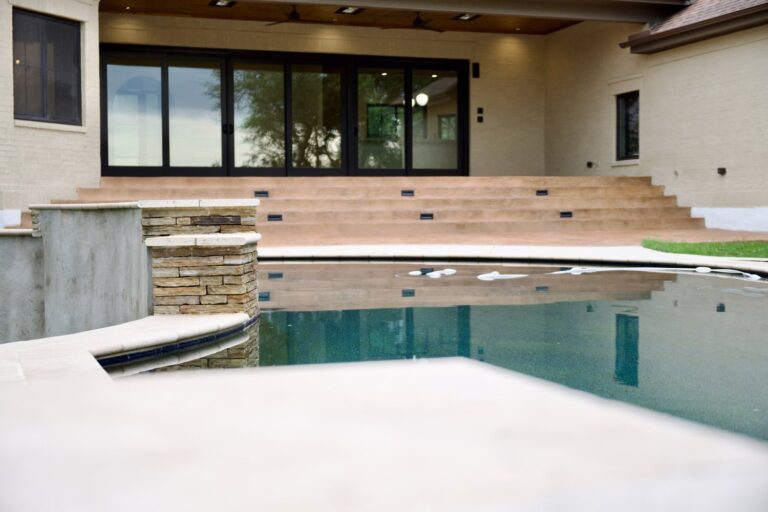 How Long It Takes to Build a Custom Home
Read it →
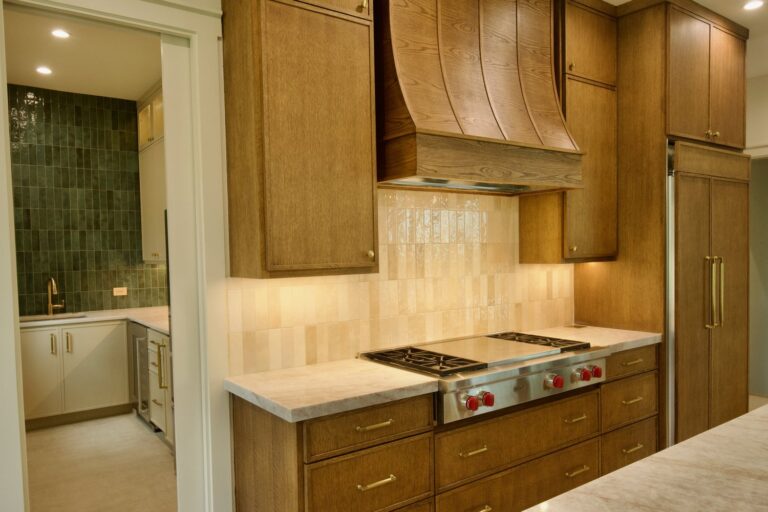 How Much It Costs to Build a House in Texas
Read it →
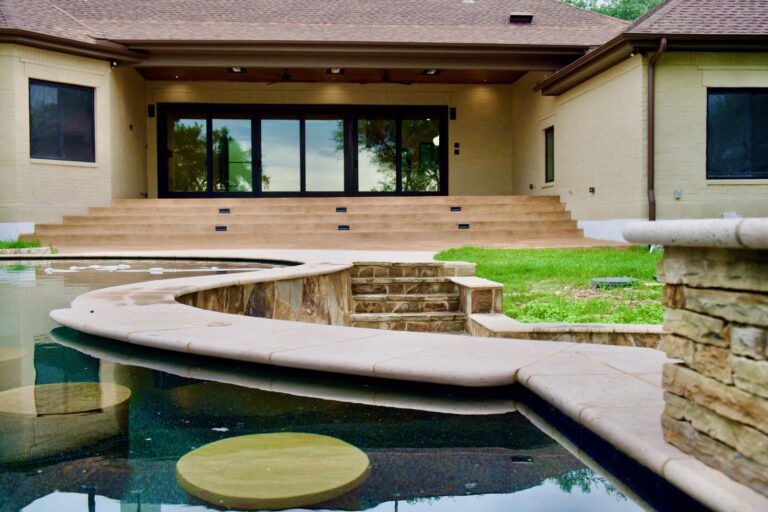 Is It Cheaper to Build or Buy a House?
Read it →
 Questions to Ask a Custom Home Builder
Read it →
 The Hill Country Land Buying Checklist
Read it →
 What Rocky Hill Country Lots Really Cost to Build On
Read it →
Get in Touch
Call us, or send the form and tell us what you are planning.
Vanessa answers this number, weekdays 9 to 5.