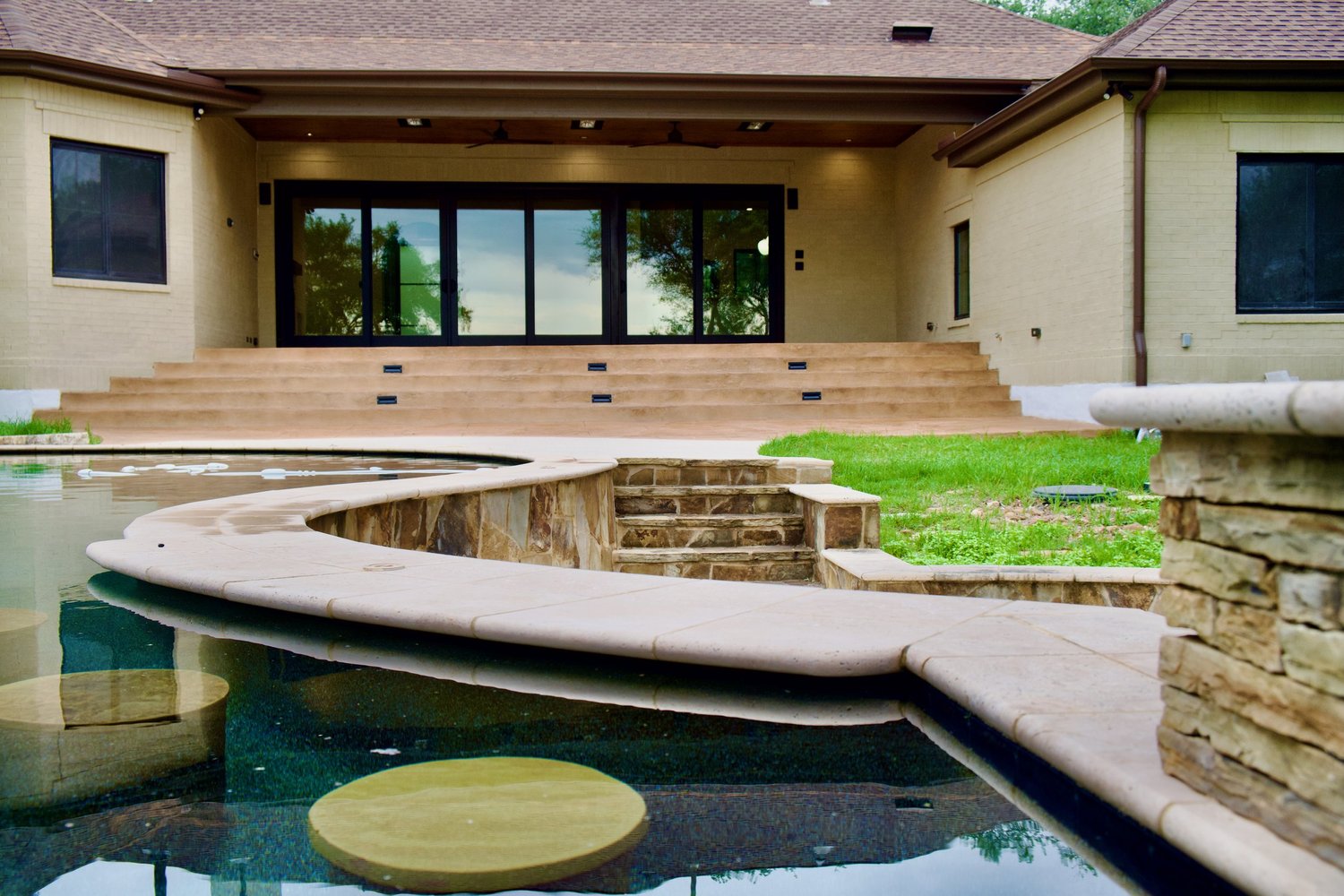
Is It Cheaper to Build or Buy a House?
A builder's plain answer for Texas in 2026, including the cases where buying wins.
Author: Vanessa Harris, Owner of Riverbend Hill Country Homes · Updated October 23, 2026
Is It Cheaper to Build or Buy a House in Texas?
Usually, buying is cheaper upfront. We are a custom home builder, so you would expect us to argue for building, but in most Texas markets an existing house is the cheaper way to get a roof over your head. If a listing near you genuinely fits your life, you should probably buy it.
The build-or-buy question only gets interesting when the listings do not fit: wrong land, wrong layout, wrong finishes, or a renovation bill hiding behind the staging. That is when the math deserves to be run properly, the way we run it for clients.
There is no pressure here. Some of the people who call us end up better served by a remodel or by staying put, and we tell them so.
Why Is Buying Usually Cheaper Upfront?
An existing home may cost less upfront than a new custom build, but the comparison depends on the property. Compare its purchase price and needed work with the full cost of a build, including land, construction, site work, and professional fees.
The numbers make the point plainly. The Texas median home sale price was $325,000 in February 2026, with the Austin metro at $406,000. Meanwhile, published Austin luxury-build data shows one-off custom construction at roughly $350 to $600 per conditioned square foot before land, which puts a 3,000-square-foot custom home above $1M before the lot.
Those two figures are not like-for-like, and that is the point: the median listing and the custom home are different products. What the comparison actually settles is that nobody should build a one-off custom home expecting to beat the resale market on price. You build because the resale market does not sell what you want.
Sources: Texas Real Estate Research Center · an Austin luxury builder’s published project data
What Does It Cost to Build a House, Line by Line?
A custom build costs construction plus everything the land asks for. At Riverbend, construction runs $325 to $800+ per square foot at comparable finish levels, with complex structural work at the top of the range. Land, site work, design and engineering, and contingency sit on top, as the table below sets out.
An ordinary new house costs far less per square foot, and it is a different product. In the U.S. Census Bureau’s 2025 data for the South, the region that includes Texas, 56 percent of new homes sold were priced under $150 per square foot, excluding the lot. That sales category is separate from Census’s contractor-built category for homes built on the homeowner’s land. It is regional context, not a quote for a Hill Country custom build. Our guide to what a build costs in Texas breaks the tiers down.
Sources: U.S. Census Bureau, Characteristics of New Housing (2025 data, released July 1, 2026)
On top of construction sits everything the land asks for: the lot or acreage itself, a well and septic system where city services do not reach, rock excavation on limestone ground, access, and utility runs. On Hill Country parcels those site lines are real money and they vary lot by lot, which is why we price them from a property walk, never from a formula. Here is how a custom build runs, stage by stage.
A build comparison that leaves site costs out is not a comparison. It is a number that will go up later.
| Line | The note that matters |
|---|---|
| Construction | $325 to $800+ per sq ft at comparable finish levels |
| Land | Varies more than any other line; already owned by many of our clients |
| Site work | Wells, septic, rock, access, utilities; priced from a walk of the parcel |
| Design and engineering | Architecture, interiors, structural, survey, geotechnical |
| Contingency | A written contingency of at least 20 percent on remodels; allowances priced at your real finish level on new builds |
What Does an Existing House Really Cost After You Buy It?
After you buy it, an existing house costs the listing price plus three things the listing does not show: deferred maintenance, renovation, and compromise. Deferred maintenance comes first. The roof, the systems, and the envelope have already used up part of their life, and you inherit whatever is left.
The second is renovation. Our whole-home remodels run $325 to $650+ per square foot of remodeled area; kitchens and primary suites run $300 to $800+ per square foot. See what a whole-home remodel costs and includes, then add the scope you need to the purchase budget.
The third cost is the one nobody puts a number on: compromise. Nobody renovates their way out of a wrong lot, a wrong orientation, or a neighborhood that never fits. Some compromises are worth taking the discount for. The expensive one is the compromise you never noticed you accepted.
Is Remodeling the House You Own a Third Option?
Yes, and it is the work we do most: keep the land, transform the house. If an existing home sits in the right place, a whole-home remodel can deliver custom-level work without the land search, and without giving up the lot, the trees, or the neighborhood you already chose.
Our San Marcos project is exactly that story: a 3,100-square-foot whole-home renovation, completed for $1.3M over 16 months and documented start to finish with before photos.
If you already own a house you are torn about, Vanessa goes through that exact decision in detail in her guide on remodeling versus moving.
How Do I Decide Whether to Build or Buy?
Decide by running both ledgers with real numbers. On the buy side, take the three best listings, add a realistic renovation estimate for each, and count the remaining life of the roof and systems. On the build side, price the size you need at our construction ranges, then add land and the site work a builder reads off the parcel.
Write both columns down. We will fill in the build column with you at no charge, on your land or on a parcel you are considering. You keep the numbers whichever way you decide.
That is the whole method: no pressure, both sides added up, and a decision you can stand behind.
Keep Planning
- Custom home building: how Riverbend prices and builds a new home, on your land or a parcel you are considering
- Whole-home remodeling: the third option, with what a remodel costs and includes
- How much it costs to build a house in Texas: cost per square foot by tier, with every source named
- The Hill Country land buying checklist: what to check before you buy a parcel
Build or Buy Questions
Is it cheaper to build or buy a house in Texas?
Upfront, buying an existing house is usually cheaper in most Texas markets. In February 2026 the statewide median home sale price was $325,000, while custom construction alone typically starts well above that before land. Over a longer hold the math narrows: a new home needs no renovation budget to fit your life. The full answer depends on your land, your timeline, and what the resale market near you is really selling.
When does building win the math?
The ledger tends to favor building when you already own land or can buy it well, you plan to stay long term, the resale homes near you would need major renovation to fit your life, or you want acreage and privacy that the houses on the market rarely have. In the Hill Country, that last one is often decisive.
What costs does building carry that buyers underestimate?
Land and site work. Construction itself runs $325 to $800+ per square foot, and the land, well, septic, rock excavation, and access sit on top. Leave the site work out and the number will only go up later.
What costs does buying carry that buyers underestimate?
Deferred maintenance, renovation, and compromise. An existing house comes with someone else’s roof age and someone else’s floor plan. Whole-home remodels run $325 to $650+ per square foot of remodeled area at our finish level, so a listing that needs serious work is more expensive than it looks by exactly that much.
Is renovating an existing home a middle path?
Often, yes, and whole-home remodels are the work we do most. If the house sits on land you love, a whole-home remodel can deliver a home to a custom standard without the land search. Our San Marcos project is exactly that story: a 3,100-square-foot whole-home renovation completed for $1.3M.
Does already owning land change the answer?
Substantially. Owning your land removes the biggest variable from the build side of the ledger, and the comparison becomes build-versus-settle. We walk land you already own at no charge and give you a working budget range, so the decision runs on real numbers.
More Guides
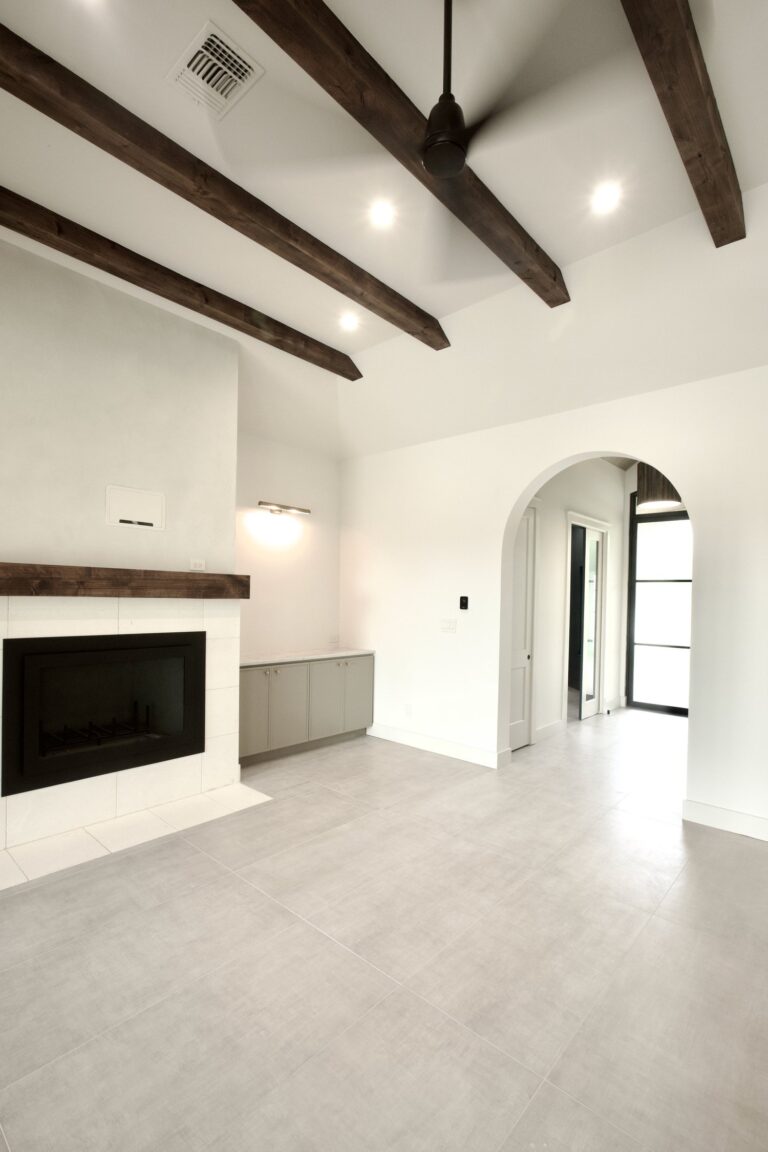 Design-Build vs. General Contractor
Read it →
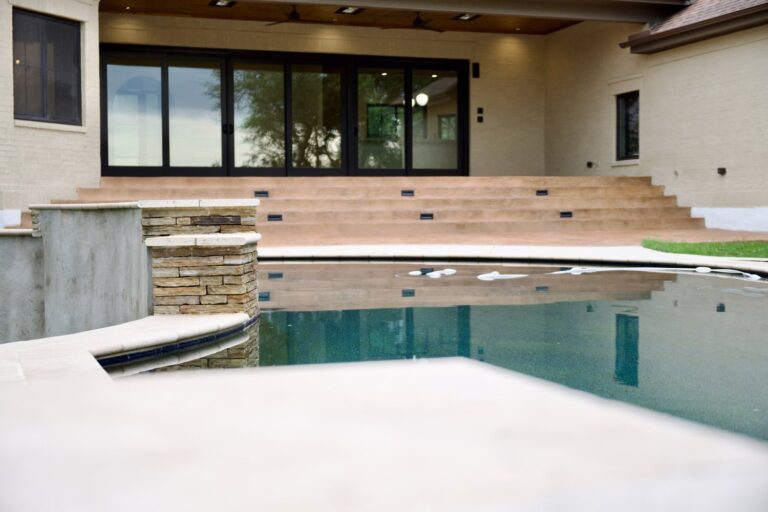 How Long It Takes to Build a Custom Home
Read it →
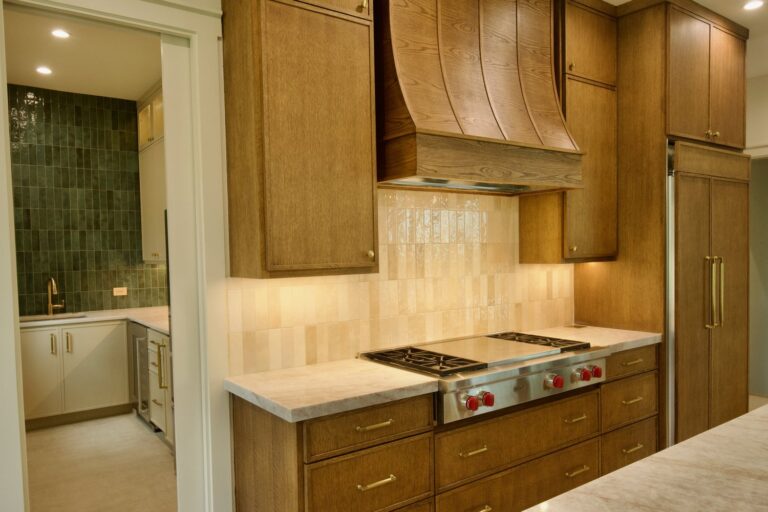 How Much It Costs to Build a House in Texas
Read it →
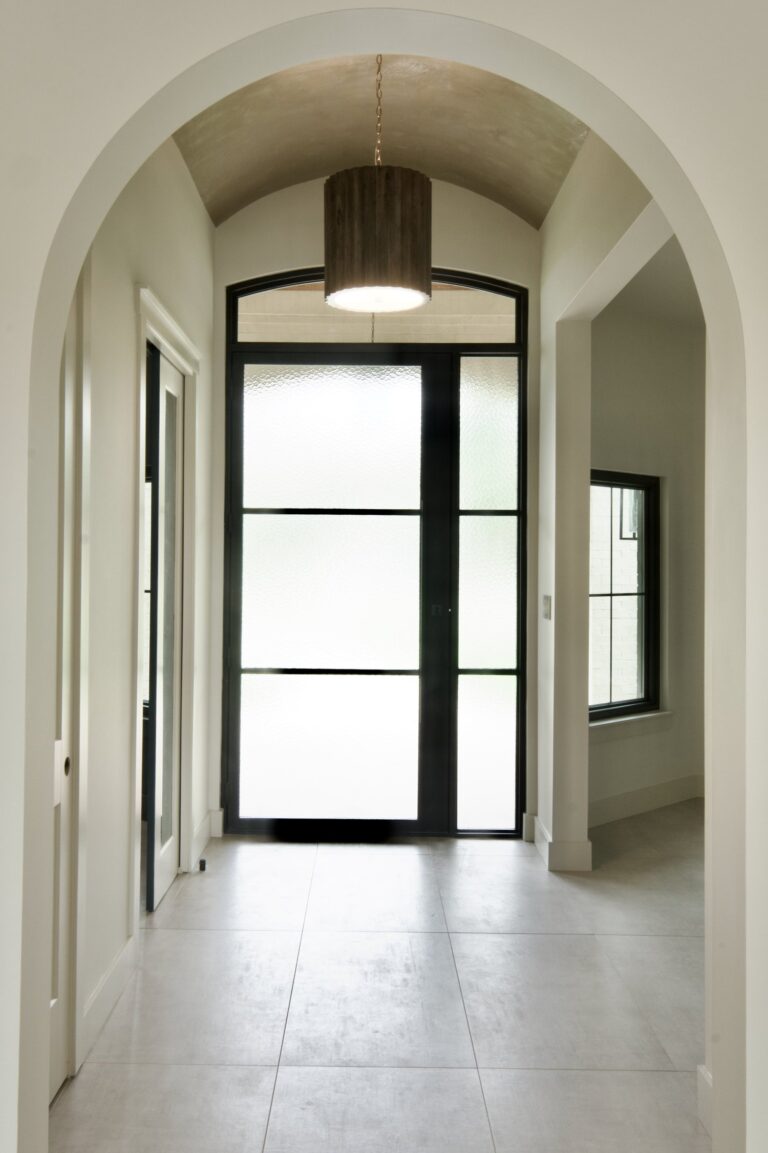 Questions to Ask a Custom Home Builder
Read it →
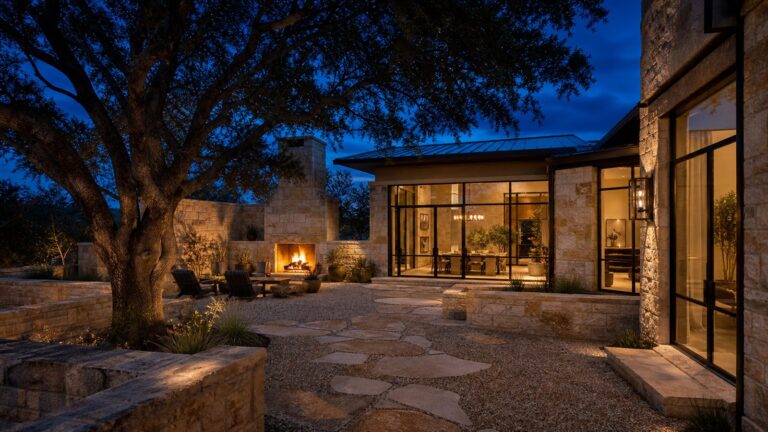 The Hill Country Land Buying Checklist
Read it →
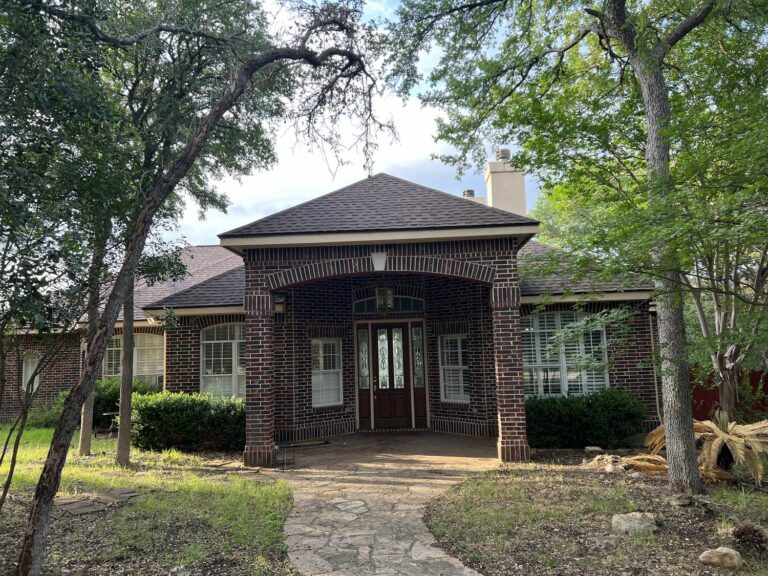 What Rocky Hill Country Lots Really Cost to Build On
Read it →
Get in Touch
Call us, or send the form and tell us what you are planning.
Vanessa answers this number, weekdays 9 to 5.